

Data has become the defining strategic asset of Europe’s digital economy, not simply because of its volume, but because of how it is governed, localized, and transformed into innovation capacity. Across the European enterprise landscape, digital sovereignty has evolved from regulatory dialogue into operational doctrine. What began as a compliance adjustment following the enforcement of the General Data Protection Regulation has matured into a structural redesign of enterprise IT ecosystems. Organizations that once approached data protection as a legal obligation now treat it as an architectural principle, embedding jurisdictional awareness, encryption standards, and lifecycle traceability directly into their cloud and analytics environments.
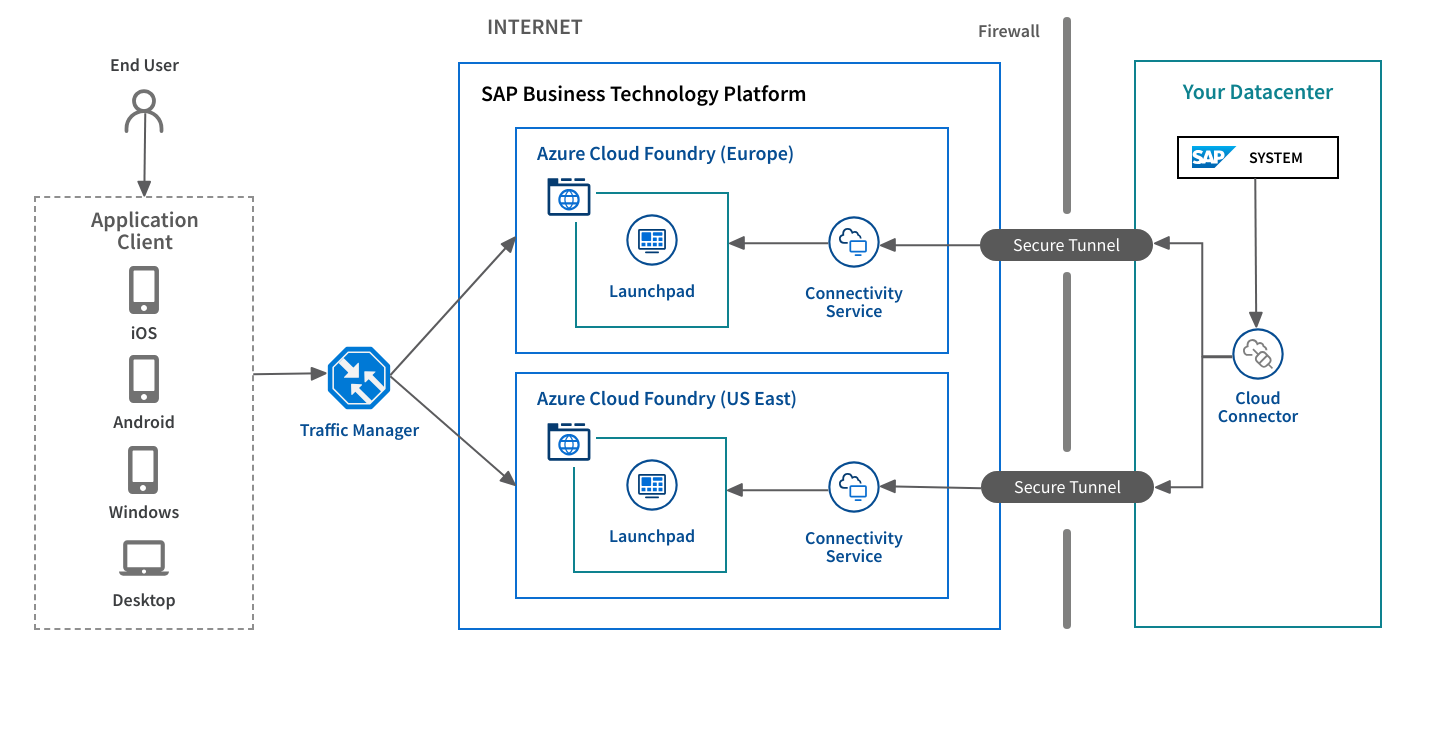
The European cloud market surpassed €56 billion in 2023, expanding at more than 20 percent annually according to industry analysis. Yet scale is no longer the primary differentiator. Control over data flows, auditability of systems, and clarity of jurisdiction have become decisive competitive factors. Enterprises are discovering that innovation velocity depends not only on compute capacity but on governance maturity. The European Union Agency for Cybersecurity reported that organizations with structured data governance frameworks reduced regulatory penalties by up to 35 percent, illustrating a measurable link between compliance discipline and operational resilience. In this environment, governance ceases to be overhead; it becomes an enabler of strategic agility.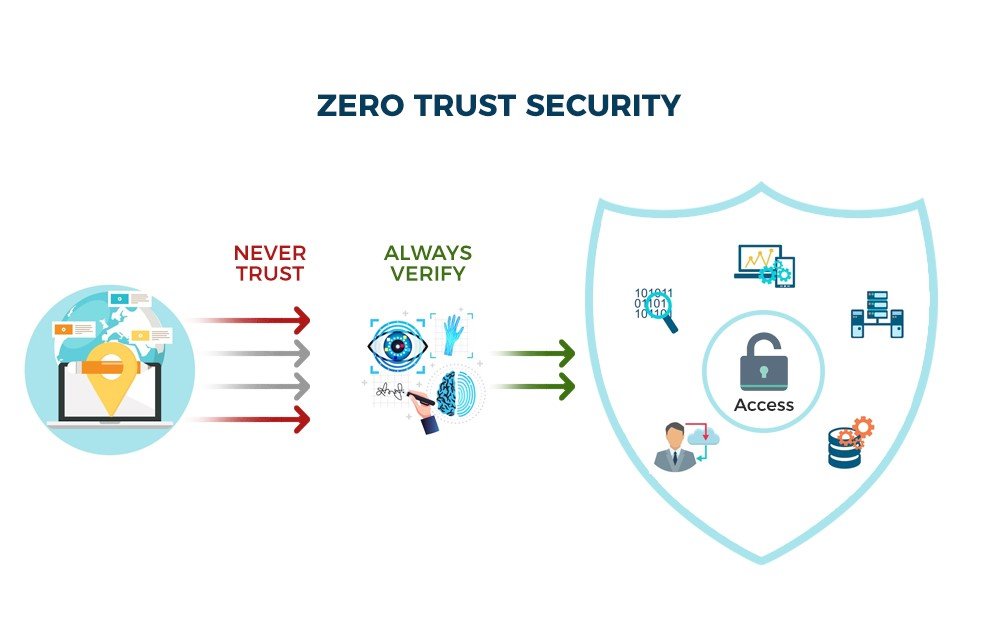
The 2020 Schrems II ruling marked a pivotal moment. By invalidating the EU–US Privacy Shield, it forced multinational enterprises to reassess transatlantic data transfers, renegotiate vendor contracts, and implement Standard Contractual Clauses. Approximately 45 percent of European enterprises revisited their cloud agreements in the aftermath, according to IDC. The disruption accelerated hybrid cloud adoption and vendor diversification strategies. Rather than retreating from global platforms, enterprises redesigned their architectures to ensure that sensitive workloads remained within EU jurisdictions while maintaining access to hyperscale innovation ecosystems. Data localization, once seen as restrictive, became the foundation for trusted analytics and AI deployment.
Hybrid cloud infrastructure now underpins approximately 65 percent of critical enterprise workloads across the EU, and investment in EU-based cloud environments grew by roughly 30 percent in 2023 alone. These figures reflect more than infrastructure modernization; they signal a strategic shift toward sovereign-by-design operating models. Enterprises increasingly separate high-sensitivity datasets—financial records, health information, industrial intellectual property—from general analytics layers, enabling federated processing models that preserve compliance while supporting cross-border collaboration. Zero-trust security frameworks, encrypted interconnectivity, and automated policy enforcement mechanisms are integrated into DevSecOps pipelines, ensuring that innovation and compliance evolve simultaneously rather than sequentially.
The regulatory environment continues to shape this innovation narrative. The Digital Markets Act and the Digital Services Act expand accountability obligations for digital platforms and service providers, pushing enterprises to integrate transparency, traceability, and risk monitoring into system design. Emerging AI governance under the AI Act further reinforces the principle that trustworthy systems are foundational to scalable innovation. Enterprises are increasingly embedding explainability protocols, audit trails, and risk classification models directly into their AI pipelines, transforming regulatory foresight into product differentiation.
The economic implications of this transformation are measurable. Eurostat data indicates that more than 90 percent of EU enterprises use some form of cloud service, yet only a fraction operate with fully integrated jurisdiction-aware governance architectures. This disparity creates a competitive divide. Organizations operating at advanced governance maturity levels experience faster procurement cycles, reduced legal exposure, and stronger cross-border partnerships. Those that remain reactive face fragmented compliance processes, higher litigation risk, and potential operational disruption. Vendor concentration risk has also emerged as a board-level concern, prompting diversification strategies that reduce dependency while preserving technological flexibility.
A closer look at key indicators illustrates the structural alignment between sovereignty and innovation:
| Indicator | 2023 Estimate | Strategic Meaning |
| European Cloud Market Size | €56+ billion | Foundation of digital innovation |
| Annual Cloud Growth Rate | 20%+ | Sustained enterprise digitization |
| Hybrid Cloud Adoption | ~65% of enterprises | Sovereign architecture integration |
| Post-Schrems II Contract Revisions | ~45% | Vendor risk reassessment |
| Growth in EU-Based Cloud Investment | ~30% YoY | Localization priority |
| Reduction in Penalties (mature governance) | Up to 35% | Governance-performance linkage |
Governance maturity also correlates with innovation capacity:
| Governance Stage | Characteristics | Innovation Impact | Risk Exposure |
| Reactive | Manual audits, fragmented controls | Slower deployment cycles | High |
| Structured | Centralized policies, encryption standards | Moderate acceleration | Reduced |
| Integrated | Automated compliance in CI/CD | Faster AI and analytics scaling | Predictable |
| Sovereign-by-Design | Federated data spaces, zero-trust, hybrid cloud | Ecosystem-driven innovation | Strategically minimized |
Enterprises operating in sovereign-by-design models treat data portability, jurisdictional transparency, and cyber resilience as value drivers rather than cost centers. Investor confidence increasingly correlates with demonstrable cyber maturity and regulatory preparedness. Customers and partners evaluate trustworthiness through evidence of compliance automation and infrastructure localization. Data, therefore, transitions from an operational byproduct into an intangible asset influencing valuation, partnership eligibility, and ecosystem participation.
Within this landscape, advisory and technology partners play a crucial role in translating regulatory complexity into architectural clarity. Brainotechs approaches European digital sovereignty through integrated advisory and hybrid cloud design, aligning governance frameworks with infrastructure implementation. By combining regulatory mapping, vendor diversification assessment, cybersecurity alignment, and jurisdiction-aware architecture design, Brainotechs enables enterprises to embed sovereignty principles into the core of their innovation strategies. Compliance becomes codified within systems architecture, allowing organizations to scale AI initiatives, cross-border analytics, and collaborative data space participation without exposing themselves to disproportionate regulatory or operational risk.
Europe’s digital sovereignty agenda ultimately reflects a broader philosophical shift. Innovation is no longer defined solely by speed or scale but by durability, trust, and jurisdictional coherence. Enterprises that align governance, cybersecurity, and hybrid infrastructure strategies convert regulatory evolution into strategic leverage. Those that fail to adapt risk erosion of trust, operational instability, and diminished competitive relevance. In the European context, data governed with precision and deployed with accountability becomes not only a strategic asset but the structural capital underpinning long-term innovation resilience.
References
European Commission. (2023). Digital Markets Act – Overview.
European Commission. (2022). Digital Services Act – Regulatory Framework.
European Union Agency for Cybersecurity (ENISA). (2020). EU Cybersecurity Landscape Report.
IDC. (2021–2023). European Enterprise Cloud Market Analysis.
Gartner. (2023). Hybrid Cloud Adoption in Europe – Enterprise Insights.
Eurostat. (2023). ICT Usage in Enterprises – Statistics.
